

retreat and sequester
How to time travel

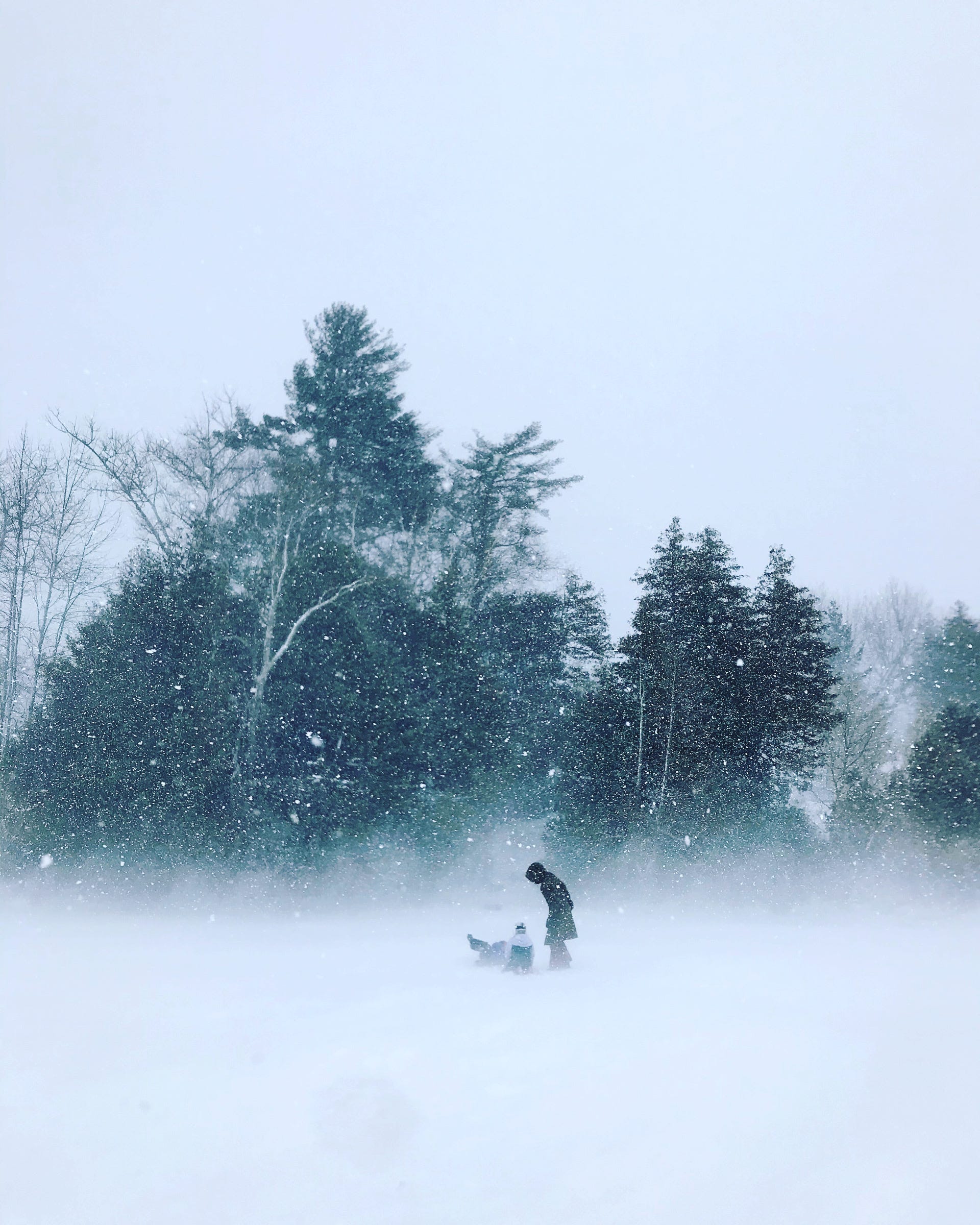
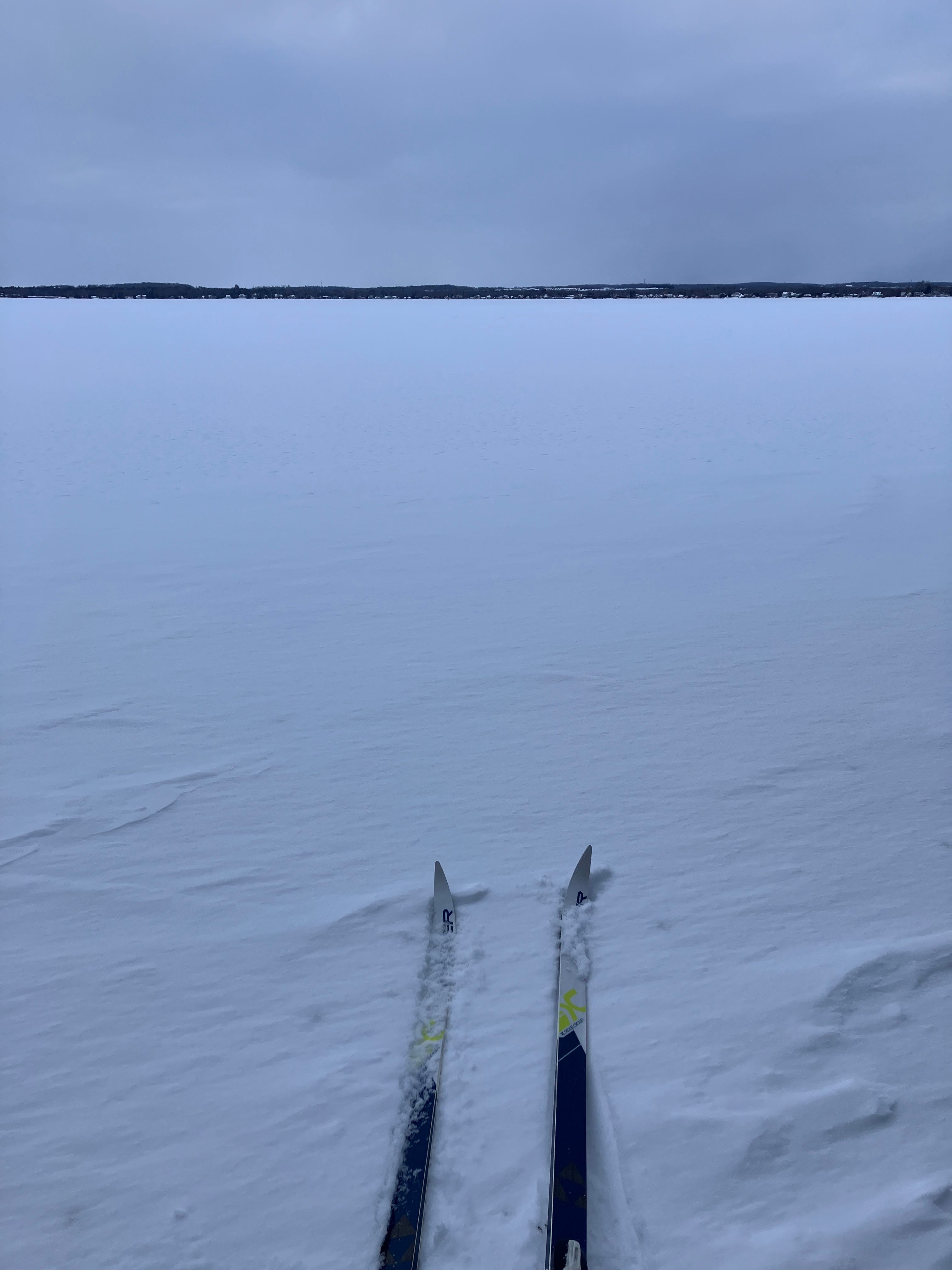
I took off my watch and put away my phone as soon as I arrived. Once or twice a year I leave my home and spend 24 hours alone, usually in winter, and usually in a cottage on a lake, a large lake, Lake Simcoe. I retreat and sequester.
I learned something a few years ago that I already felt most of my life, that time is not consistent, that it shifts and moves, even if ever so slightly. My perception of it is malleable, and I can stretch it and so can the sun.
This isn’t metaphysics.
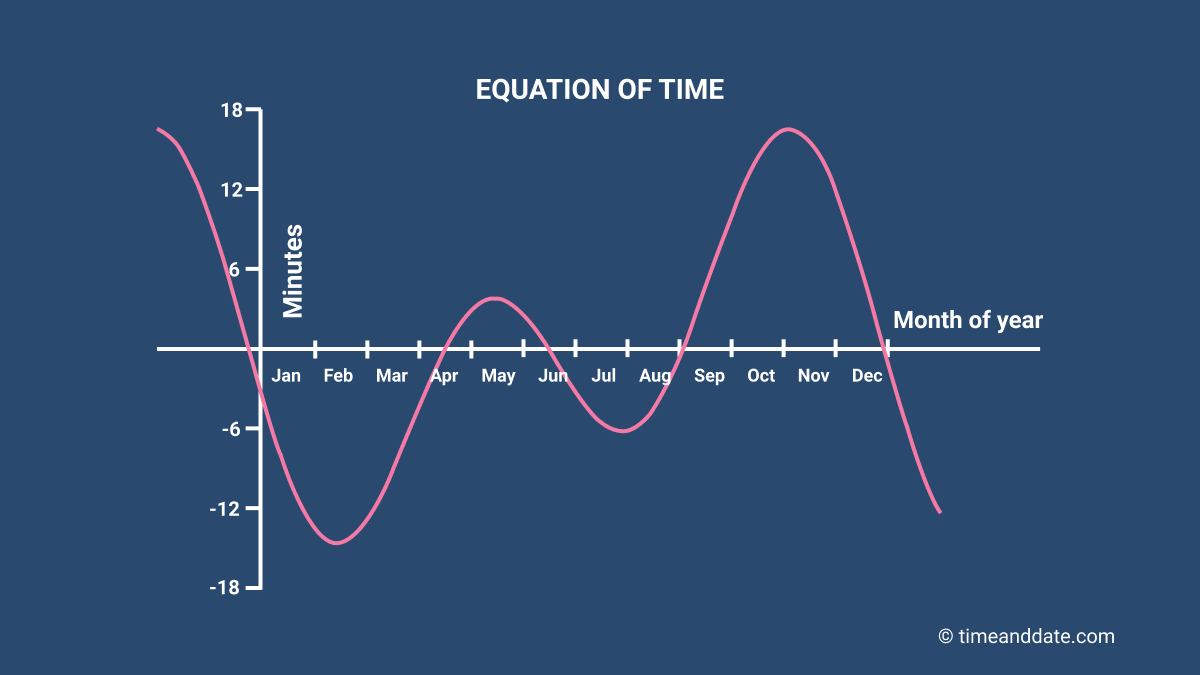
Time is in flux, the idea of 24 hours ticking along at a set rate is something imposed, like the Gregorian calendar, on a world that just doesn’t function in the way we assume. We know our calendars don’t function correctly and we see this with the role of a leap year, left over time that our charts mess up, recalibrated every few years. Our 24 hours in a day is based on averages, the overall speed of time throughout a year, like calculating the average speed of a road trip. But time moves slow in some seasons and faster in others, based on solar measurements and distances, axis shifts and the motion of the Earth. You can see the measured mean time vs the actual solar time in the chart below (solar time being the wavy line). This is not a new idea, the difference between the two times has been known by astronomers and philosophers, and the apparent solar time (the one that moves and ebbs) was used as the standard measurement up until the 19th century through things like sundials. In the 19th century we began to build clocks and watches and Greenwich Mean Time was set. It was seen as more efficient. We inherently feel the ebb of time though in the distinction of seasons. Solar time slows down in January, February, and March, and speeds up September and October.
There are moments when in travel you are in total flow, timeless and spaceless, out there in it, not the “I” watching it happen, not the “I” documenting it with your phone to post later, not the “I” observer noting what to write later, nor the photographer, nor the conversationalist or social being; just the connected I, not in control of the sun’s motion, nor the spin of the earth, nor the wind flowing by; out and in Nature. I notice this sometimes on long night flights, when timezones are zipping bellow at five hundred miles an hour and I am high above in some other place, a metal tube shooting through the troposphere propelled with fire. Or when we no longer know the day of the week, or month depending on how long one is on the road.
There is a moment in Peter Matthiessen’s book The Snow Leopard (a book about travel and sequestering) where he takes off his watch and his relationship with space begins to shift in this same Zen way: “I remove my watch, as the time it tells is losing all significance.”
There is something in the cold middle winter that fits this as well. How ice is in flow but is not, at first, visible in its motion and flexibility. Ice and rock and plate tectonics all seem easier to perceive in cold northern climates, the midwinter retreat being a perfect season. There was a minor earthquake a week ago here, a rare moment of obvious motion by deep time rock and stone.
What all of this allows for is focus and attention. When I sequester I can focus and my mind becomes calm. This is something becoming more and more rare and I notice it being something people find important when talking about future travels to come, they want to slow time down, they want to focus and be attentive, not just pass through fast but be a part of a place, if just briefly. It is a magic trick of travel to shake the cage and remind us how to do this, to slow down, to be out of routine, to take the watch off like children again, out in this world.
“Does anybody really know what time it is?” Chicago.