cut off sanctity
on private lounges, and how they miss the point

The English word lounge originated in early 16th-century Scotland as a verb meaning to act or move in a lazy, indolent manner. Over centuries, it evolved from an action verb into a term describing a comfortable piece of furniture, and later, a designated space for leisure and socializing.
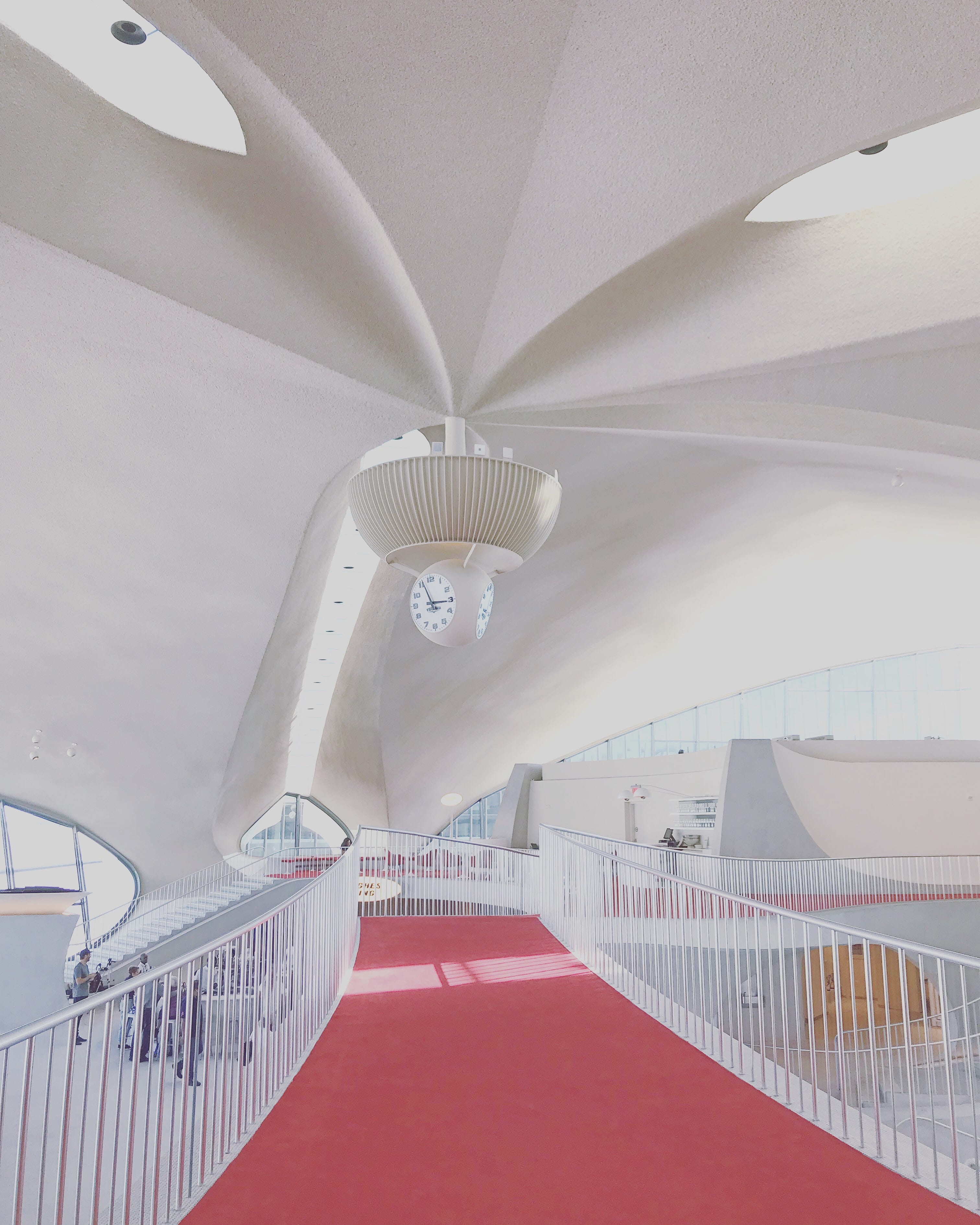
Before airports had lounges, they were stations, or transportation hubs. A place to wait. But people wanted food and sometimes would like to enjoy a hot or cold drink whilst reading the paper. It is a space the French anthropologist Marc Augé would have called a ‘non-space’, or the American sociologist Ray Oldenburg called a ‘third space.’ That is, transient, anonymous spaces as opposed to a home or a community gathering place like a church; an airport is moved through, a train station is a place where one waits.
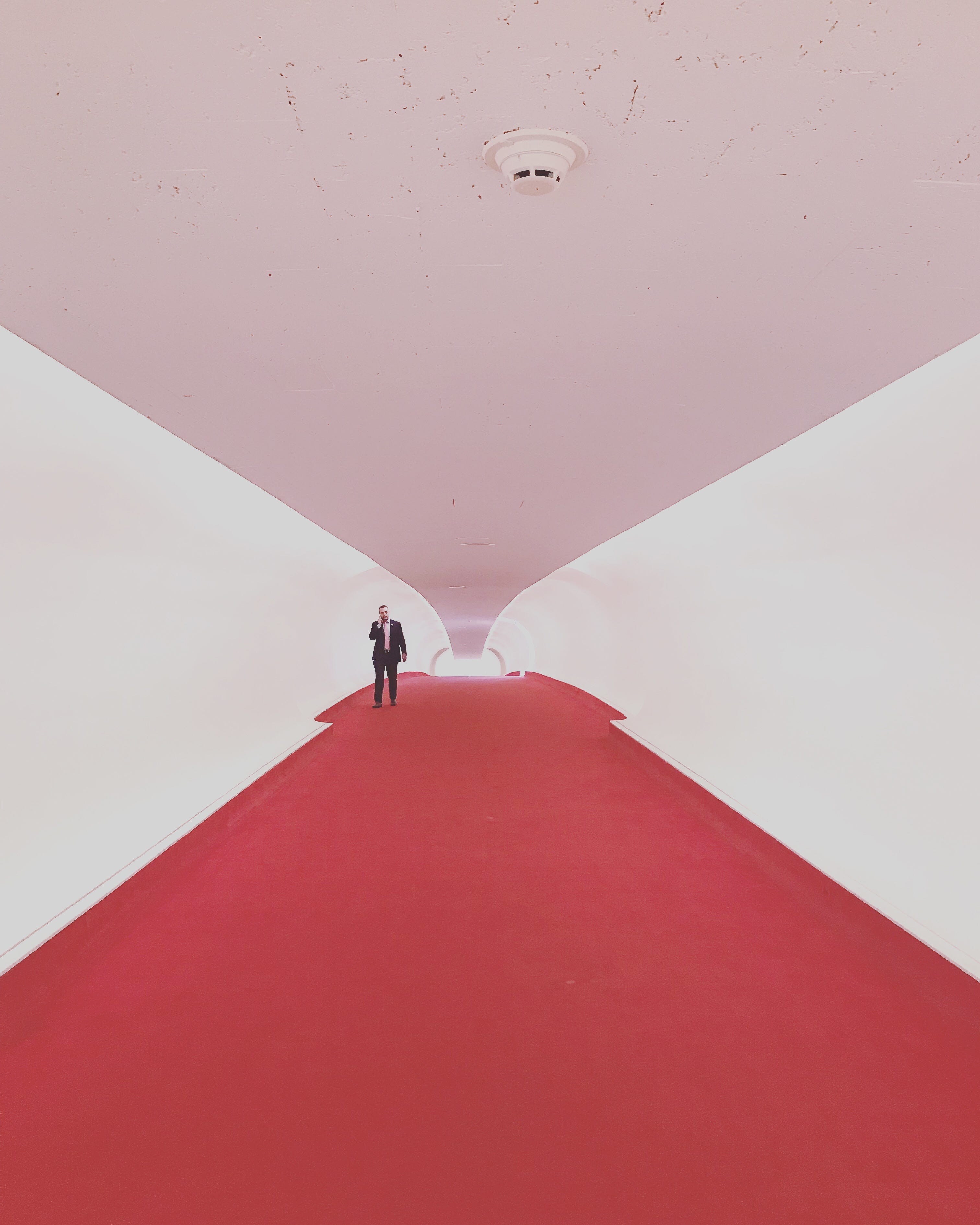
There are comfortable ways to do this, and usually there is a melange of kindness, manners, and humanity; words seldom used to describe airports these days. For a number of reasons, and through a number of forces, these spaces have shifted, along with so many other aspects of our lives, to consist of separation, and a great pretending that everyone else around isn’t there waiting as well. Headphones are popped into ear canals, podcasts are turned up, we pay extra to skip lines and to segregate into quieter spaces. You can see the same impulse in hotel designs. The once grand lobby of a big city hotel as a bustling hub of humanness is now outshined by a secret/private/cut off sanctity of straight lines and offwhites.
There are many factors involved in this shift and motion. The digitalization and virtual world building we seem to be enthralled with; “our orgy of being lords of creation, texting as we drive.” Somewhere in the recent past we decided we can sell our time and attention, and in doing so we threw out the conversations and communal feel of public space and life and gamified and commoditized the lounge.
Airports are more akin to super malls and resorts than public parks, and it seems to happen the larger the airport is.
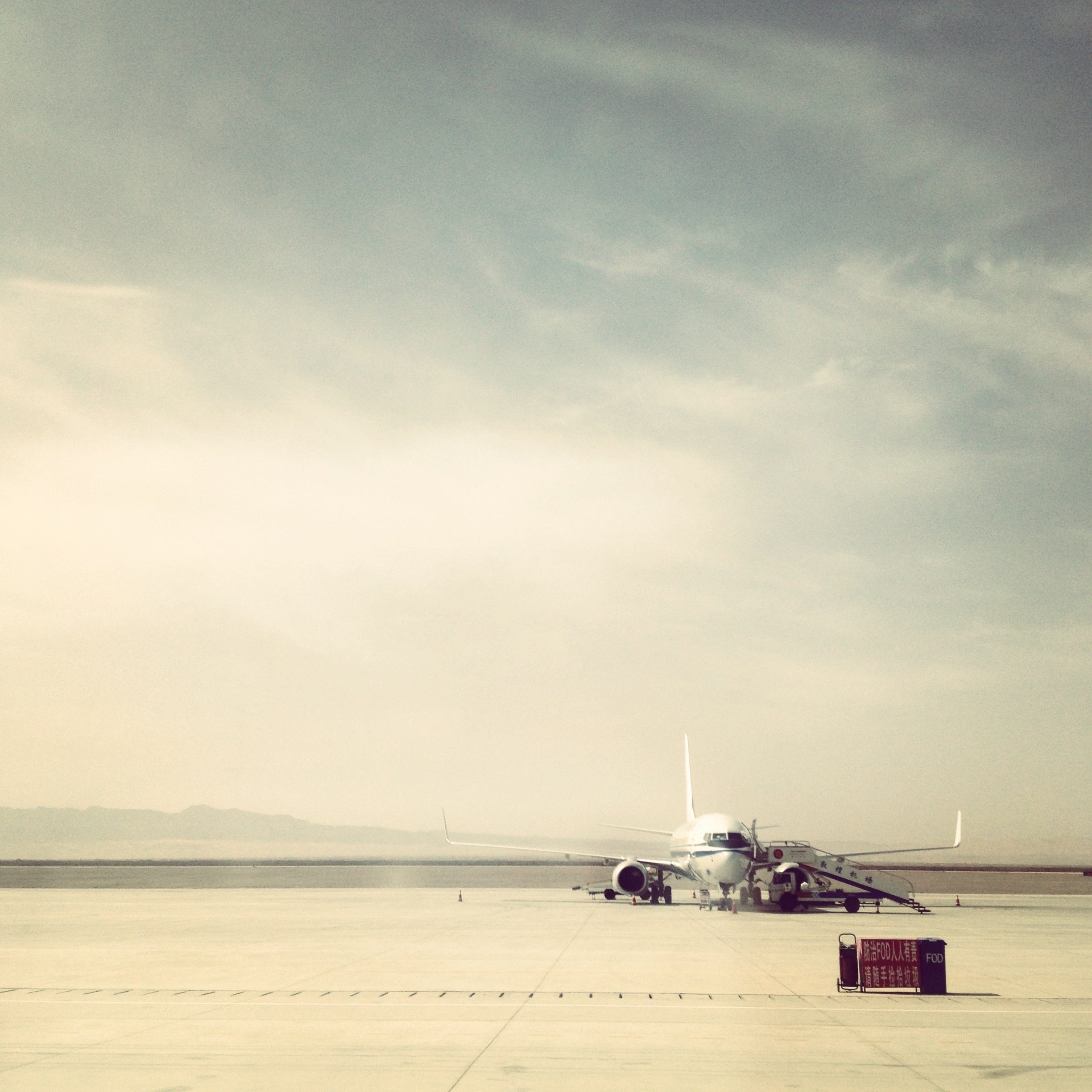
I recently went through an airport, and after being forced to walk through the maze of duty free like some staged Vegas Casino, I ran the gauntlet of ‘private’ lounges, all selling the idea of exclusiveness and privacy. Sucked into one I was told I could walk around for a look before I had to decide to pay the $50 fee. I have been in lounges and work in luxury travel; I have been in private planes and private customs processing and private wings of airports for dignitaries and heads of state. These lounges though are not the same, they are more like cruise ships with all you can eat buffets, and ice cream soft serve machines, some chef standing by a hot plate making eggs to order for god knows how many hours. I chose to forgo the lounge and went to the gate instead. By the time I got to my seat by the gate there were far fewer patrons for the flight than in the lounges and I had plenty of space and air to sit and have a lovely conversation with a granny flying to see her grandkids.
These lounges, these places where one is to move in a lazy, indolent manner, filled with furniture that shares the name of the space, to lounge, to sit slouched like the athleisure pants so many wear, earbuds feeding sounds into the head and in between bites of tasty, but not that tasty treats, one can continue to scroll while feeling just superior enough to feign happiness.
And to be honest, all of that is ok to me. I wouldn’t choose it, nor enjoy it, but it is a particular laziness that I don’t mind. I get it. What I don’t get is the cruel act of exclusivity that is being magnified by the idea of a private lounge or vip line. It reminds me of some sort of psychological study where a participant increasingly pushes a button that is thought to send severe electric shocks to an unseen other. We all want to feel special, we all have this weakness, we want to look and feel like all the shinny people we see out there in our feeds, and we can feel kinda like that if we sign up for this or pay for that, and through the idea of those who can’t afford it, we are able to feel superior. I am not saying this is what people in lounges are doing, I am saying this is what private lounges magnify. It creates a kind of sense of passive competition.
And more than all of this, the real shame, to me, in the posing of a private lounge, is that the idea of a private lounge is missing the point of the space, of transit and travel and curiosity. It is missing the point in the fantastic magic of humans being kind and comforting to each other in public spaces. I love that, I love public parks, and theaters, and old Airport lounges where people came together for a short time and sat and talked and performed pleasantries. True service and optimization of space and time whilst waiting on a plane, a train, a bus, isn’t segregation, it isn’t some sort of isolated spa. It is some other thing more akin to community. It is that feeling you get when someone you just met surprises you with a witty joke, it is kindness and humanity, and perhaps some time spent reading a newspaper and sipping a cocktail. The architecture of the grand stations of old were built like Churches because of this, they were sublime. The all you can eat buffet in the VIP Prime Lounge on the third floor of Incheon International Airport is far from sublime.
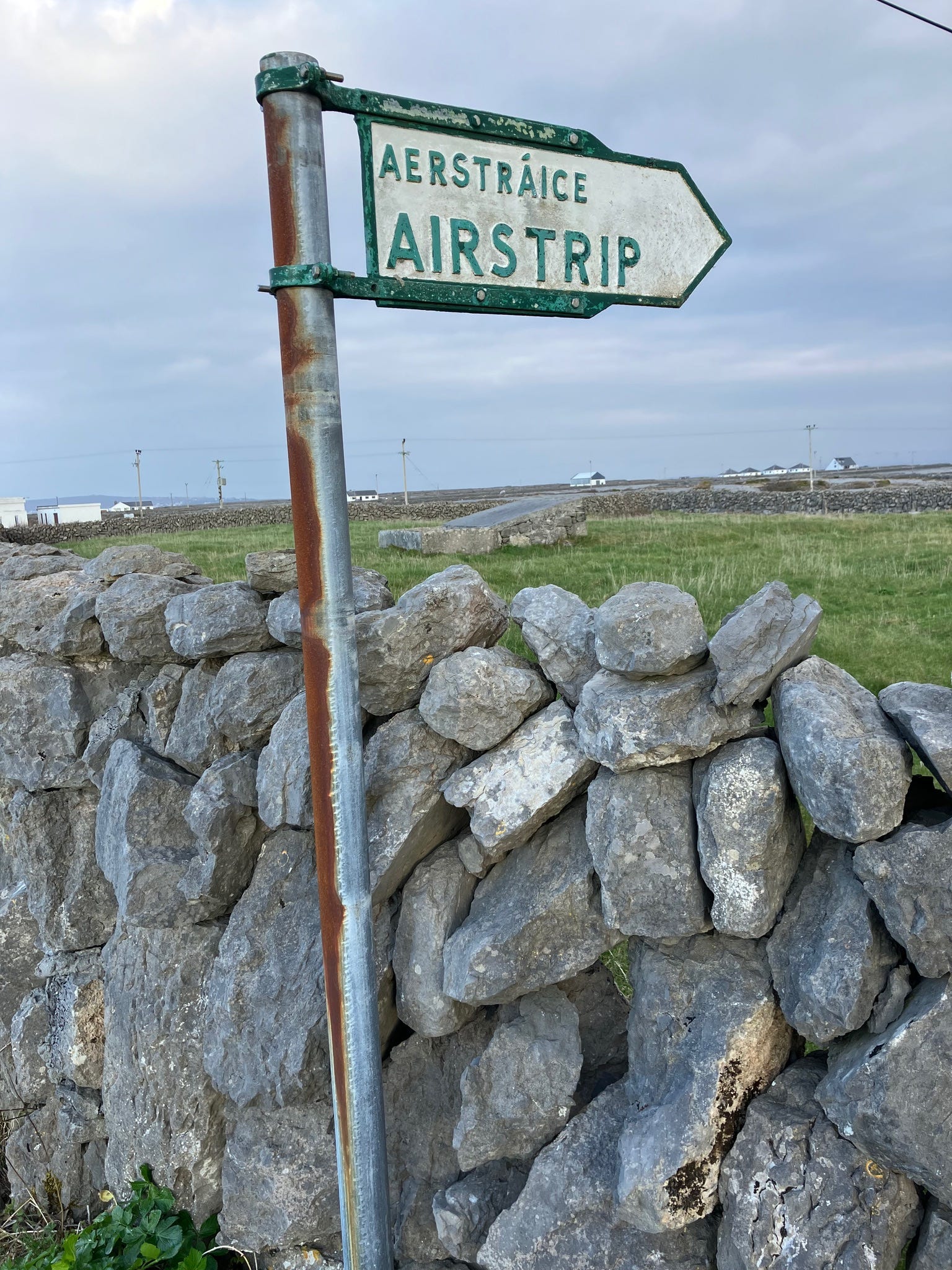
There is hope though! The small Airports of the world. The Island Airport in Toronto, Inis Meain in Ireland, London City Airport. Avoid the big hubs when you can, I say, use a train to get to a smaller port. The smaller spaces allow for more earnest human contact in some strange way.
The small airlines as well, not all, but a few really set up the experience well, and most of them operate in the smaller airports. There is an airline where I live that, for all, has drinks, newspapers, and snacks built into the business model, and public lounges that aren’t shopping malls filled with hostile architecture or defensive design, and the staff know your name, and it feels, and is, kind humanity.